
Sex, Drugs & Care 4 All
(SDC4ALL)
CLUB BOOKLETS
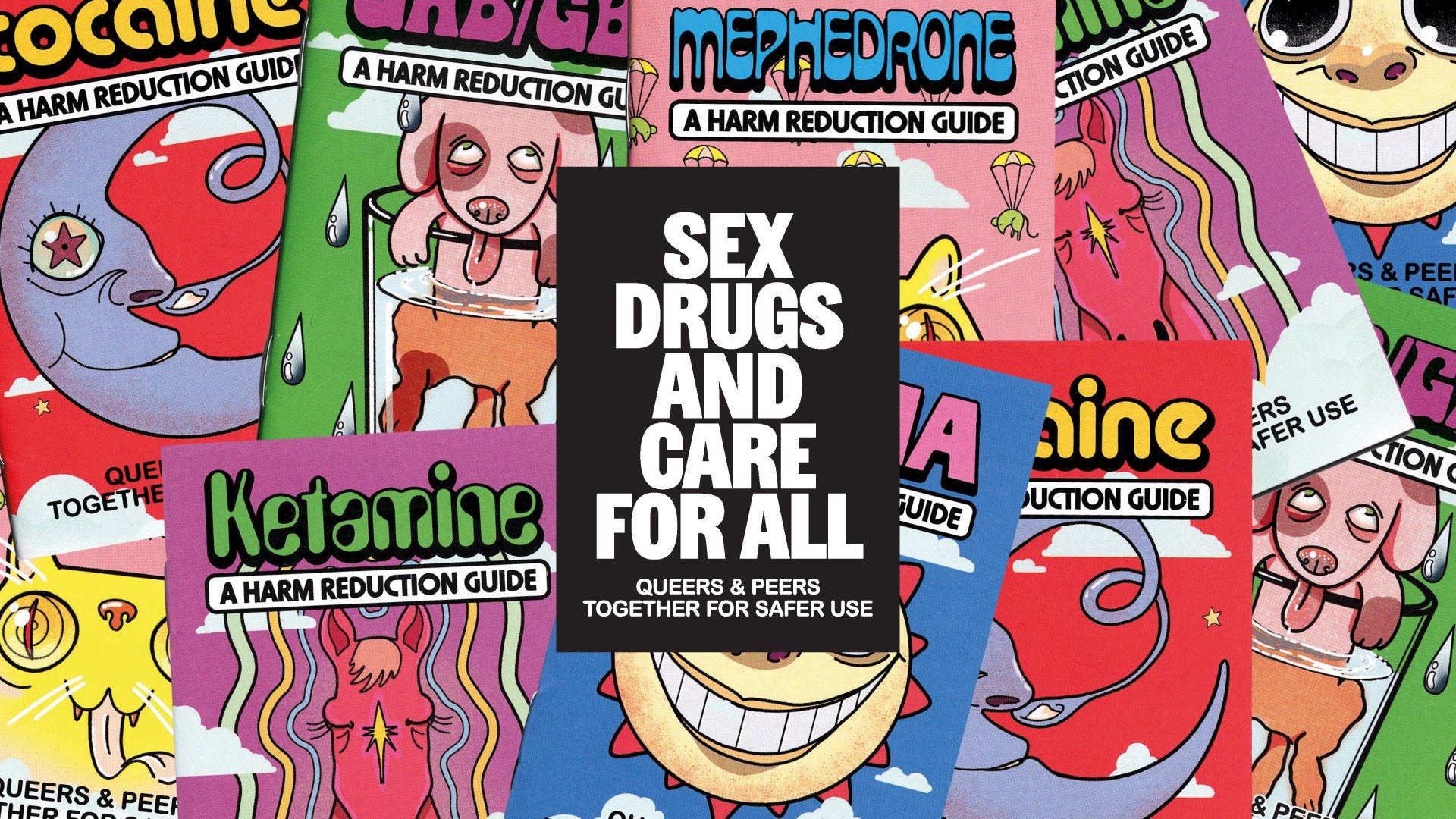
What is SDC4ALL?
Sex, Drugs & Care 4 All (SDC4ALL) is a collaborative programme between The Love Tank and Antidote. It brings together everything we do to support safer, more informed, and more compassionate approaches to chems use within queer and trans communities.
SDC4ALL was created in direct response to insights from community-led research, and years of lived-experience knowledge from people who use drugs, frontline workers, and harm reduction activists. You can read more about this programme and the training we offer within it here.



Our club booklets
Below you’ll find our first five harm reduction booklets focused on common club drugs (with more on the way!).
Each booklet contains practical, evidence-informed guidance to help you stay safer when using drugs, whether you’re partying, connecting, exploring, or supporting a friend.
You might be here because you picked up one of our pocket-sized cards or booklets in a club, bar, chillout, or community space. These resources are distributed across venues that care about supporting their communities with non-judgemental harm reduction information.
If you run or work in a venue and would like to offer these booklets to your community, we’d love to share them with you. Just drop us an email at outreach@thelovetank.info.
Because these booklets were designed as physical zines, they contain a limited amount of information. We prioritised what our communities told us feels most useful and relevant.
Check out the further resources section for links to trusted organisations specialising in harm reduction, as well as more in-depth online guides and tools. You’ll also find information on emergency and support services, plus community projects and education spaces that can offer ongoing care.
What is harm reduction?
Harm reduction is a practice that aims to minimise the negative impacts of using drugs. It means providing care, instead of judgement, to people who are using them.
This includes giving information about how to use drugs more safely, how to recognise signs of overdose or withdrawal, and when and where to seek help.
Harm reduction saves lives, builds community, and supports people to make the choices that feel right for them.
You can read more about what harm is reduction here.
➔ Cocaine
➔ GHB/GBL
➔ Ketamine
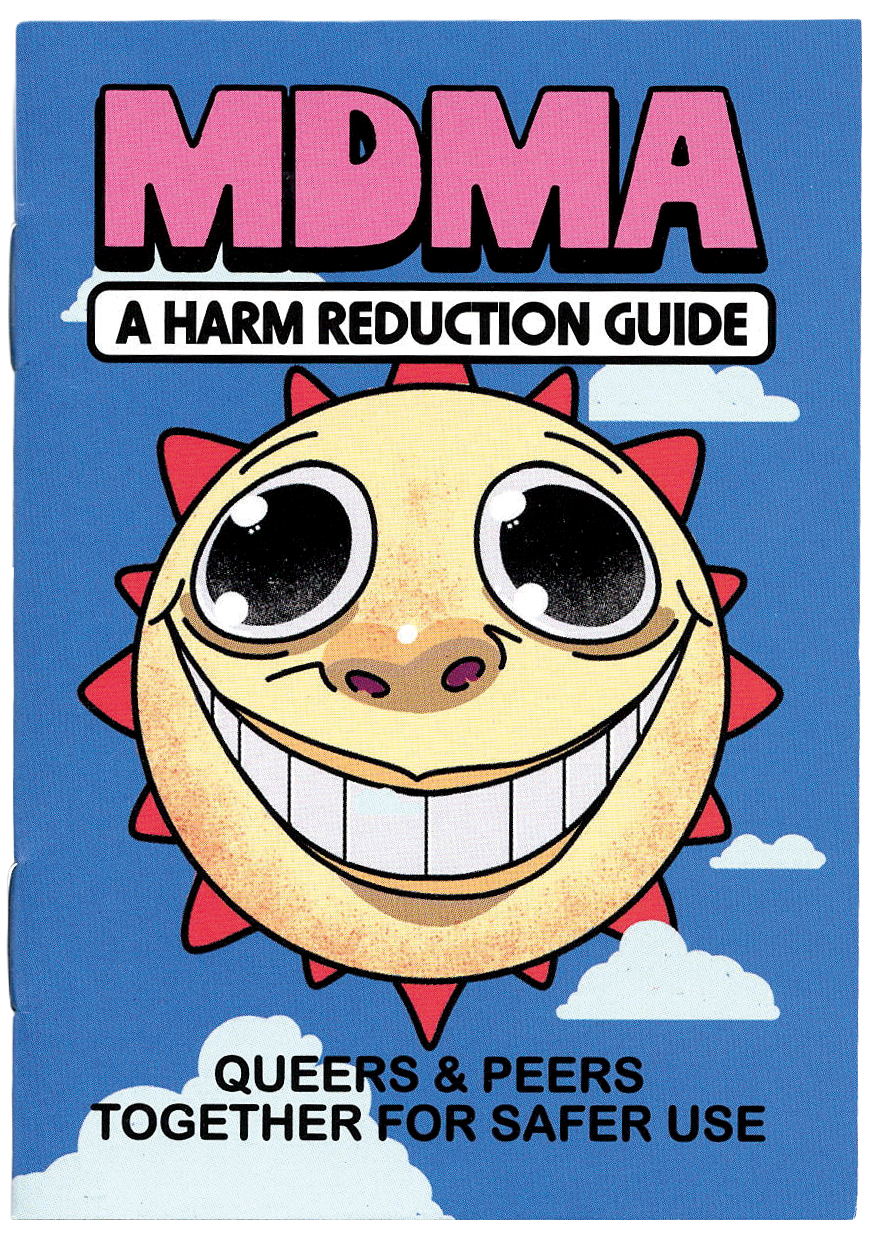
➔ MDMA
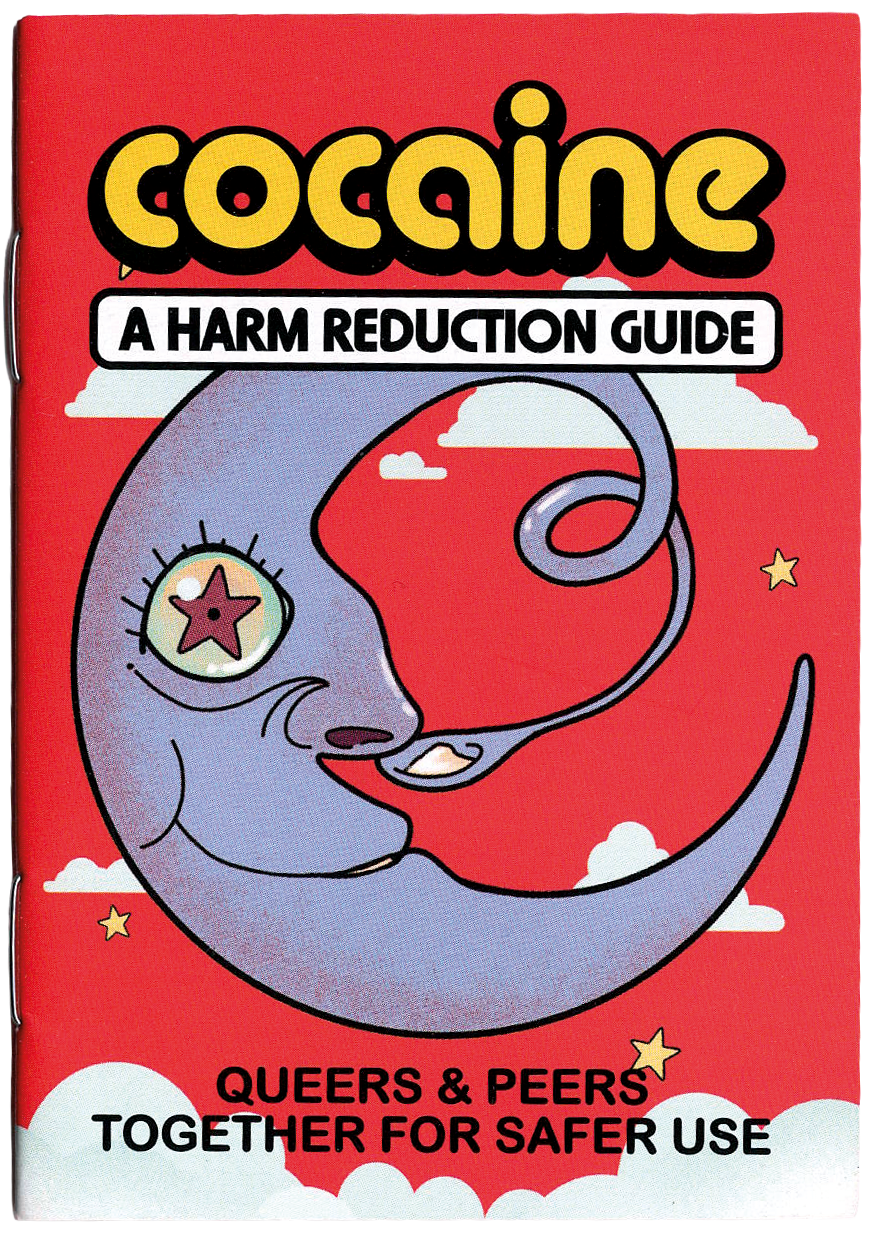
Cocaine
-
Cocaine - also known as coke or Charlie - is a stimulant derived from the leaves of the coca plant. It’s typically found in the form of a white powder that people snort.
Cocaine makes us feel energised, chatty, and alert. It’s fast acting with short-lived effects.
-
Taking too much cocaine - or using it when very tired or fatigued - can cause ‘overamping’ (a stimulant overdose).
It can make someone feel panicked, aggressive, or extremely agitated.
Physically, it can also cause a racing heart, chest pain, and, in some cases, a heart attack.
If you are pre-disposed to or have a heart condition, be cautious about using cocaine and keep your doses light - especially if already feeling tired or run down.
Because of the pressure it puts on the heart, cocaine does not mix well with other drugs.
Avoid using cocaine with psychedelics - like LSD, 2CB or mushrooms - as this can cause severe anxiety.
Also try to avoid drinking alcohol when using cocaine.
The combined effects in the body can place enormous pressure on the heart and, because it masks the effects of alcohol, using cocaine can encourage excess drinking.
-
Cocaine is usually taken by snorting. It can be swallowed or ‘gummed’ too.
Gumming cocaine means rubbing a small amount over the gums, which can leave them feeling a little numb.
A light dose of cocaine is 10-30mg, while a more common dose is 30-60mg.
It’s usually not possible to measure doses of a powder when out and about.
It’s a good idea to invest in some milligram scales to visualise how different doses look (for when it’s snorted later or cut into lines).
-
Snorting powders like cocaine carries some risks.
It can lead to infections and frequent snorting can damage the nostrils (which can make someone more prone to infections or cause long-term scarring).
Hepatitis C is especially easily transmitted by snorting - it can survive on surfaces for up to six weeks!
Someone can reduce long-term damage caused to their nose from snorting by:
alternating nostrils every time they snort
using a straw to snort higher up the nose to avoid damaging the septum
taking a break if the nose is bleeding
using a saline rinse to gently clean the nose at the end of the night or session
Someone can reduce their risks of getting an infection from snorting by:
avoiding sharing snorting equipment
using a clean straw or clean rolled up piece of paper - rather than used bank notes - to snort lines (Remember: venues usually have clean straws behind the bar!)
carrying hand sanitiser to disinfect any equipment (especially keys, cards and surfaces)
consider keeping a specific, clean card for crushing or cutting drugs (to avoid using a bank card that comes into contact with ATMs or payment devices)
-
Cocaine can be highly addictive and it’s easy to develop a tolerance to it, meaning needing to use more and more in a single session to feel its effects.
It’s a good idea to take breaks of at least a few weeks between sessions to avoid developing a tolerance or becoming dependent on cocaine.
The desire to do cocaine is often triggered by our surroundings: sights and sounds that bring cocaine to mind.
To avoid temptation after a session, change locations, try to keep busy with something else, or hang out with friends that don’t use.
-
Sometimes, people are sold drugs that are over-dosed, or contain substances other than the drug they think they are buying, which have much stronger effects. This can cause fatal overdoses, even in experienced drug users.
It’s always a good idea to test drugs before using them.
Links to drug testing services - including options for testing drugs at home - can be found at the resources section below.
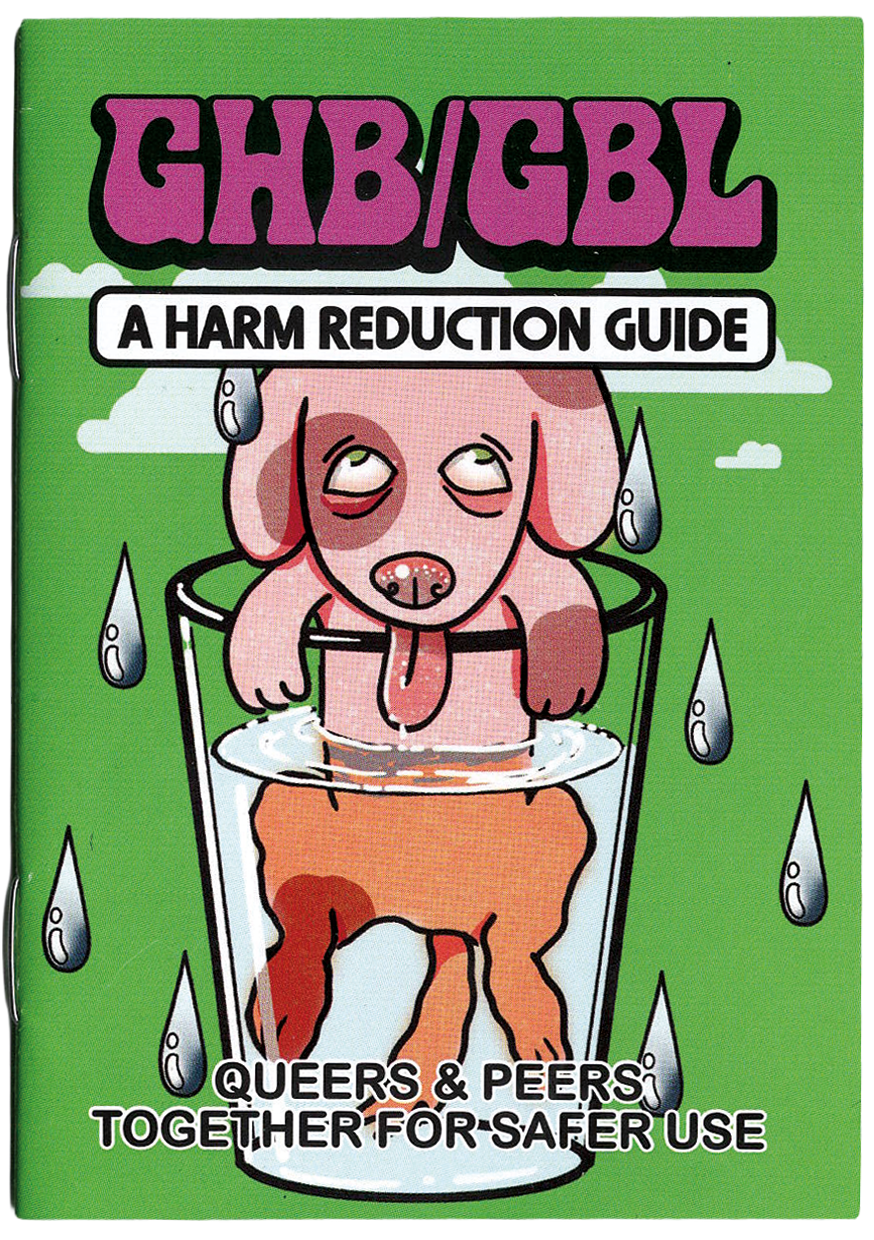
GHB/GBL
-
GHB and GBL - usually just called G - are closely related drugs with sedative effects.
They usually come as a clear liquid, which is then mixed into a drink.
G can make us feel horny, more sociable, less inhibited and a bit euphoric.
GBL has an identical effect to GHB (it’s converted into GHB in the body) but GBL is two or three times stronger than GHB.
If someone isn’t sure whether what they’re using is GHB or GBL, it’s safer to assume it’s GBL at first and use light doses to begin with.
-
Using G can be fun but it’s crucial to use it safely. Overdosing on G can lead to unconsciousness - sometimes called ‘G-ing out’ or ‘going under’ - and can be fatal.
Mixing G with other drugs that are depressants dangerously increases risk of overdose. This means it’s really important to avoid mixing G with ‘downers’ or depressants like: alcohol, ketamine, diazepam, benzos, sleeping pills, sedatives, opiates (like tramadol), and antihistamines.
The difference between a safe dose and an overdose of G can be really small. This means it’s also really important to measure doses carefully with a pipette or syringe and space them out properly.
Lots of people don’t know that G is addictive.
If someone is using G regularly, they can build up a tolerance and need to use higher doses every time to feel high. Dosing G regularly can make someone physically addicted.
Taking regular breaks from using G, or limiting the amount or amount of times it’s used every month, can help someone avoid developing an addiction and keep their tolerance lower.
If someone is addicted to G and stops using it suddenly, they might experience withdrawal symptoms including: high heart rate, sweating, nausea, loss of appetite, hallucinations and anxiety or paranoia.
Withdrawal can be life-threatening.
If you or someone you’re with is experiencing withdrawal symptoms, seek medical attention at accident and emergency (A&E) at a hospital or call an ambulance.
-
G is usually taken by mixing it with a small amount of a soft drink (like cola or lemonade). It tastes bitter and can be harsh on the teeth, so it’s good to have another soft drink on hand to wash it down with.
Because it’s easy to overdose, it’s really important to measure G doses. A syringe or a pipette can be used to do this. They can be easily bought online or at pharmacies.
The right dose of G depends on a number of factors, including someone’s experience using it.
It’s always safest for someone to start with a lower dose to figure out what dose is best for them.
If you’re using G, try not to let someone else measure it out so you can stay in full control of how much you’re taking.
Roughly, a light dose of G is 0.3-0.9 mL.
A common dose (for experienced users) is 0.9-1.5mL.
After a dose of G, it’s important to wait a while before taking another dose.
Wait between one hour and 90 minutes before taking another dose.
The best way to keep track of this is to run a stopwatch on a phone or to make a note somewhere of the time of the last dose.
-
Sometimes people prepare a dose of G and forget to take it, or might be preparing doses and get confused about which drink it was put in.
If you’re taking G and you’re unsure whether a drink contains G or not, throw it away and don’t drink it!
It’s always safer to err on the side of caution than risk accidentally overdosing and ruining a night.
Some people add a few drops of food colouring - usually green - to their G before they leave the house.
This way, someone can easily identify if some drinks (like a clear lemonade) have a dose of G in it.
-
G can reduce inhibitions.
If you’re having sex on G or planning to, it’s a good idea to think about setting boundaries - with yourself and anyone you’re having sex with - about what you want to or don’t want to (or will or won’t) do.
Make sure you always have verbal consent from anyone you’re having sex with when you’re using G and never have sex with someone if they can’t verbally or properly consent (for instance, if they start to pass out or go under or are non-responsive or slurring).
If someone is having sex while using G, it’s also a good idea for them to stay on top of their sexual health.
Stay consistent with HIV meds or HIV PrEP and consider other ways of preventing sexually transmitted infections like using DoxyPEP, getting tested regularly, and getting vaccinated.
There’s more information about all of these things at:
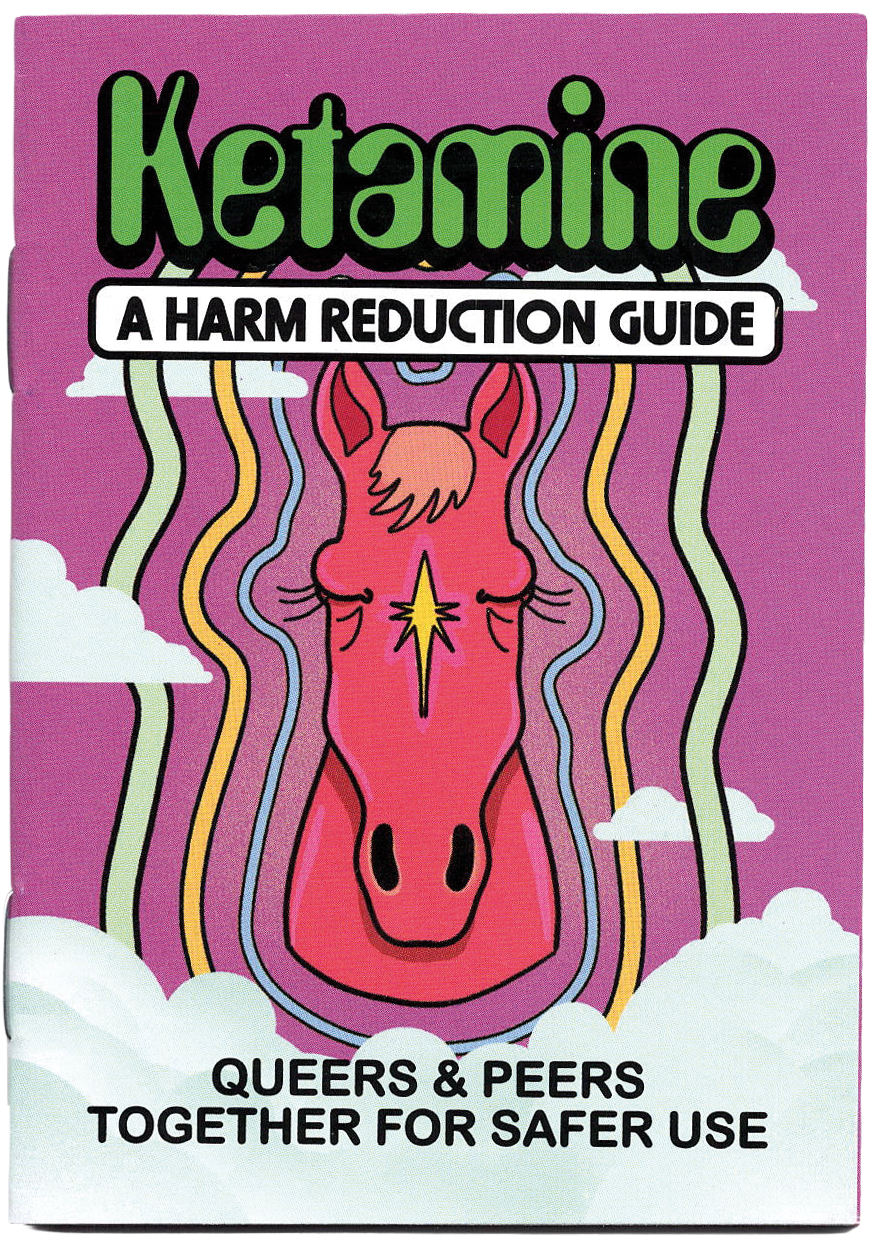
Ketamine
-
Ketamine is an anaesthetic drug - usually found as a white or very light brown powder - that has hallucinogenic properties.
Because of its anaesthetic quality, ketamine reduces physical sensations in the body and can put us in a warm, trance-like state and make us feel euphoric, calm and ‘out-of-body’.
At higher doses, ketamine can make us hallucinate or dissociate and even feel disconnected from our bodies entirely - which is sometimes called entering a ‘K-hole’.
-
While some people use ketamine to experience a K-hole, other people might enter one accidentally, which can be scary! If this happens to you, or someone you’re with, don’t worry - it will pass!
When someone is in a K-hole, they can be quite vulnerable - so stay with them while they ride it out.
Because it’s an anaesthetic, someone can hurt themselves on ketamine without even realising it, so consider moving them to a calmer, quieter place to avoid injury.
Mixing ketamine with ‘downers’ dangerously depresses the nervous system. This increases the likelihood of experiencing a K-hole and can lead to unconsciousness or death.
Avoid mixing ketamine with downers like alcohol, GHB/GBL, diazepam, benzos, sleeping pills, sedatives, opiates (like tramadol), and antihistamines.
-
The most common way to take ketamine is by snorting it.
You can also swallow ketamine (by wrapping a dose in cigarette paper) for a less intense but longer lasting high.
The right dose of ketamine differs from person to person and depends on things like their weight and tolerance.
Roughly, though, a light dose is 10-30mg and a more common dose is 30-75mg.
It’s usually not possible to measure doses of a powder or crystal when out and about. It’s a good idea to invest in some milligram scales to measure doses in advance (like if it’s going to be swallowed) or to visualise how different doses look (for when it’s snorted later).
-
Snorting powders like ketamine carries some risks.
It can lead to infections and frequent snorting can damage the nostrils (which can make someone more prone to infections or cause long-term scarring).
Hepatitis C is especially easily transmitted by snorting - it can survive on surfaces for up to six weeks!
Someone can reduce long-term damage caused to their nose from snorting by:
alternating nostrils every time they snort
using a straw to snort higher up the nose to avoid damaging the septum
taking a break if the nose is bleeding
using a saline rinse to gently clean the nose at the end of the night or session
Someone can reduce their risks of getting an infection from snorting by:
avoiding sharing snorting equipment
using a clean straw or clean rolled up piece of paper - rather than used bank notes - to snort lines (Remember: venues usually have clean straws behind the bar!)
carrying hand sanitiser to disinfect any equipment (especially keys, cards and surfaces)
consider keeping a specific, clean card for crushing or cutting drugs (to avoid using a bank card that comes into contact with ATMs or payment devices)
-
Because of the dissociative, escapist effects it produces, people can become psychologically dependent on ketamine.
They can also build up a tolerance if they use it regularly, meaning they need higher doses to experience its effects.
Long-term, frequent use of ketamine, especially at high doses, can have a negative impact on short and long-term memory.
It can also cause serious bladder problems - including painful bladder crystals and difficulty peeing.
To avoid the effects of over-use, limit the number of times a month you use ketamine (at least less than twice a week) and take breaks from using.
Drinking green tea regularly, including in the hours before using, has also been shown to reduce risks of developing bladder crystals.
-
Sometimes, people are sold drugs that are over-dosed, or contain substances other than the drug they think they are buying, which have much stronger effects. This can cause fatal overdoses, even in experienced drug users.
It’s always a good idea to test drugs before using them.
Links to drug testing services - including options for testing drugs at home - can be found at the resources section below.
MDMA
-
MDMA is a stimulant drug with hallucinogenic effects. It works by accelerating the release of mood-altering neurochemicals in the brain, like serotonin and dopamine.
MDMA comes as a powder or crystal (sometimes called MD or molly) or in the form of pills (usually just called ecstasy).
MDMA makes us feel euphoric and energised.
It’s sometimes called an ‘empathogen’ because it can make us feel more empathy and more connected to the people around us.
-
As well as the good feelings, MDMA raises your body temperature and can cause overheating (especially if dancing or getting physical).
If you’re using MDMA, remember to take regular breaks from the action and stay hydrated.
Around one pint of water or a soft drink with electrolytes every hour will keep you well without over-hydrating.
If someone is dangerously overheating, take them to a quieter and cooler place and remove any excess outer clothing. You can use damp cloths (or a damp t-shirt) to cool them down.
Mixing MDMA with other drugs can lead to unpredictable effects or increase the risk of adverse effects.
Avoid mixing MDMA with drugs - including prescriptions - that raise the heart rate like: some asthma medications, stimulants (like cocaine, caffeine, or amphetamines), and sedatives (like alcohol or opioids).
Also avoid mixing MDMA with psychedelics like LSD, shrooms or 2C-B. This can lead to unpleasant highs and can even cause brain damage.
MDMA does not interact well with some prescribed anti-depressants.
Specifically, mixing MAOIs - a type of anti-depressant, like phenelzine - with MDMA can cause death. If you have taken an MAOI in the last three weeks, avoid using MDMA.
SSRIs - a type of anti-depressant, like sertraline and citalopram - can also inhibit the effects of MDMA because they block the uptake of serotonin in the brain.
If you are using MDMA and a prescribed SSRI, do not use more MDMA to compensate.
SSRIs make it harder for the body to cool down, so taking more MDMA increases the risks of overheating as well as overdose.
-
When MDMA comes as crystals or a powder, the safest way to take it is by swallowing it (wrapped in a piece of cigarette paper).
Roughly, a safe dose is considered to be equivalent to someone’s bodyweight in kilograms + 50 up to a maximum of 120mg (even if you are a heavier person).
For a 60kg person, this means: 60 + 50 = 110mg.
It’s usually not possible to measure doses of a powder or crystal when out and about. It’s a good idea to invest in some milligram scales to measure out and prepare your doses in advance.
MDMA pills vary in strength: some pills contain up to 3 doses. If you’re using pills, start slowly with a quarter
or a half.Whether using pills, crystals or a powder, wait at least 2 hours after dosing before taking more MDMA. It can take a while - anywhere from 20 minutes to 2 hours - for MDMA to kick in, especially if someone has food in their stomach, so it’s best to wait and be patient before deciding a dose didn’t work.
-
MDMA depletes serotonin levels, causing comedowns that can leave someone feeling depressed or anxious for days after.
If you’re experiencing a comedown, take good care of yourself by eating well, catching up on sleep, and rehydrating.
Eating foods rich in tryptophan - the amino acid serotonin is made from - could help with recovery.
Tryptophan is found in foods including: eggs, pineapples, tofu, turkey, and beans.
Some evidence also suggests that taking supplements before and after using MDMA - including alpha lipoic acid - could benefit repair and recovery.
Over-using MDMA can have a negative impact on brain chemistry.
It’s recommended that someone takes at least a 3-5 week break between sessions to allow their serotonin levels to return to normal.
-
Sometimes, people are sold drugs that are over-dosed, or contain substances other than the drug they think they are buying, which have much stronger effects. This can cause fatal overdoses, even in experienced drug users.
It’s always a good idea to test drugs before using them.
Links to drug testing services - including options for testing drugs at home - can be found at the resources section below.
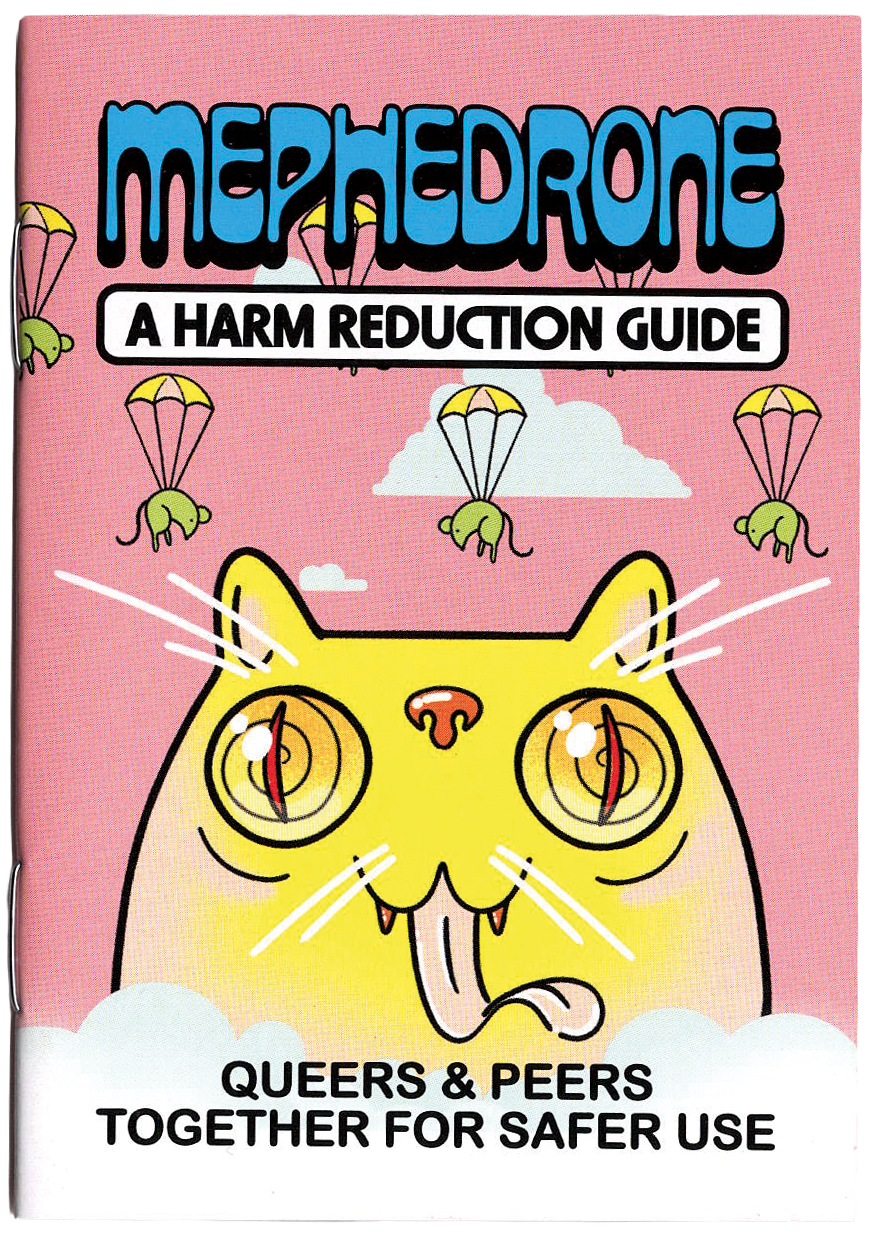
Mephedrone
-
Mephedrone - also known as M-CAT, meow meow or meph - is a stimulant. It’s a synthetic chemical that is similar to a naturally occurring compound found in the leaves of the khat plant. It usually comes in powder or crystal form.
Mephedrone can make us feel euphoric, energetic, more sociable and even a bit horny.
-
As well as all the good feelings, taking mephedrone can make someone sweaty and even overheat (especially if dancing or getting physical).
If you’re using mephedrone, remember to take regular breaks from the action and stay hydrated.
Around one pint of water or a soft drink with electrolytes every hour will keep you well without over-hydrating.
If someone is dangerously overheating, take them to a quieter and cooler place and remove any excess outer clothing.
You can use damp cloths (or a damp t-shirt) to cool them down.
Mephedrone also accelerates the heart rate and high doses have been known to cause heart problems, especially in younger and older people.
If you are pre-disposed to or have a heart condition, be cautious about using mephedrone and keep your doses light.
-
The most common way to take mephedrone is snorting or swallowing it (by wrapping it in a bit of cigarette paper).
Some people - mostly at chillouts or sex parties - choose to inject (or ‘slam’) mephedrone because it’s a fast and intense way to get high but snorting or swallowing is much safer and just as effective.
It can also be taken as a ‘booty bump’ - dissolved in sterile water and injected into the arsehole using a syringe without a needle.
Taking very high doses of mephedrone or redosing too often increases the risks of experiencing side effects or their intensity.
Try to space out doses evenly throughout the night and consider sticking to one dose per hour.
The right dose of mephedrone differs from person to person and depends on things like their weight and tolerance.
Roughly, though, if snorting it: a light dose of mephedrone is 20-50mg, and a more common dose is 50-75mg.
If swallowing it: a light dose is 50-100mg, and a more common dose is 100-200mg.
It’s usually not possible to measure doses of a powder or crystal when out and about. It’s a good idea to invest in some milligram scales to measure doses in advance (like if it’s going to be swallowed) or to visualise how different doses look (for when it’s snorted later).
-
Snorting powders like mephedrone carries some risks.
It can lead to infections and frequent snorting can damage the nostrils (which can make someone more prone to infections or cause long-term scarring).
Hepatitis C is especially easily transmitted by snorting - it can survive on surfaces for up to six weeks!
Someone can reduce long-term damage caused to their nose from snorting by:
alternating nostrils every time they snort
using a straw to snort higher up the nose to avoid damaging the septum
taking a break if the nose is bleeding
using a saline rinse to gently clean the nose at the end of the night or session
Someone can reduce their risks of getting an infection from snorting by:
avoiding sharing snorting equipment
using a clean straw or clean rolled up piece of paper - rather than used bank notes - to snort lines (Remember: venues usually have clean straws behind the bar!)
carrying hand sanitiser to disinfect any equipment (especially keys, cards and surfaces)
consider keeping a specific, clean card for crushing or cutting drugs (to avoid using a bank card that comes into contact with ATMs or payment devices)
-
Because mephedrone is a relatively new recreational drug, we don’t know a lot about their long-term health effects.
Some studies suggest long-term use could have an impact on memory - especially short-term memory and particularly in adolescents.
For safety, taking breaks between sessions - a month or a few weeks - could help the brain to recover from the effects of mephedrone.
-
Sometimes, people are sold drugs that are over-dosed, or contain substances other than the drug they think they are buying, which have much stronger effects. This can cause fatal overdoses, even in experienced drug users.
It’s always a good idea to test drugs before using them.
Links to drug testing services - including options for testing drugs at home - can be found at the resources section below.
Further resources
-
Wedinos – Postal Drug Testing
Wedinos is a service offering testing of (anonymous) drug samples sent by post
-
Reagents UK – At-Home Drug Testing Kits
Reagents UK supplies kits to test the purity of your drugs at home
-
Little Backpocket Guide To: Safer Chillouts
Our guide to safer chillouts (sometimes called chemsex) - including detailed information about safer use of chems and what do in an emergency scenario
-
Safer States
A harm reduction and drug education guide
-
London Friend – Antidote
Queer-affirming drug and alcohol support service, key partner for SDC4ALL
-
Release – Drugs Advice & Drug Checking Updates
The UK’s national centre on drugs and rights. Clear harm reduction advice, legal info, and updates on drug-checking initiatives
-
The Loop
Harm reduction research and advocacy organisation
-
Crew 2000 (Scotland)
Harm reduction education organisation in the UK. Great fact sheets, dosing guidance, interaction info, and sexualised drug use resources
-
DanceSafe (US)
Excellent nightlife harm reduction organisation with clear, non-judgmental drug info
-
TripSit
Drug combinations matrix + safer use guidelines (a community staple)
-
Know your rights (GMHC)
This guide contains information about your rights if you are stopped, questioned searched, and/ or arrested by the police
-
The Chemsex First Aid Kit
A guide to “chemsex first aid,” with information about what to do if someone overdoses on G and other emergencies, including what to do if you or someone else has an erection that won’t go down after several hours
-
RollSafe (US)
An evidence-based MDMA harm reduction website